I felt Anne Fausto-Sterling's argument was well articulated and mostly valid. In particular, I quite like the suggestion that there are more than three or so human sexual behaviors, although any attempt to make a complete list may only cause further problems as it can never be completely inclusive (and I cite this XKCD comic as evidence to that)
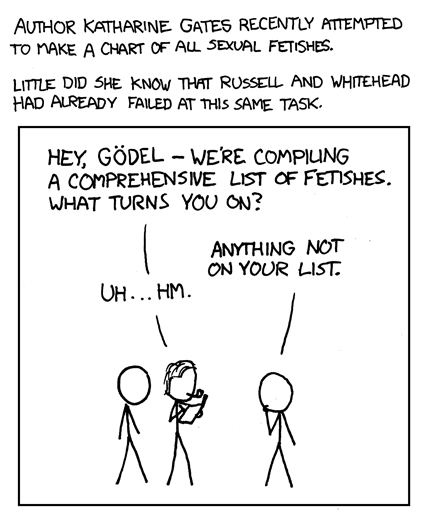
When it comes to the debate of nature or nurture, I very much doubt it's fully one or the other. Of course just about any self respecting homosexual (Or heterosexuals for that matter) will tell you it's not a choice, but there's statistical evidence to support those who were victims of sexual abuse at a young age are themselves more likely to sexually abuse young people.
Tone.
Her tone is somewhat passive, using phrases like "Many feel..." "Others think..." etc., but her stance is still fairly clear. It's not a bad thing to cite other sources and bring in counter-arguments. Though I would have enjoyed specific examples of the Loveweb conversations, I understand why that might not be possible (I also very much enjoy the explanation of what a "listserve" is in the year 2000).
Political position.
It's fairly evident that Anne Fausto-Sterling is bringing in feminist ideals in her argument, and while I may be very biased due to agreement, I think it helps strengthen her argument. It's mentioned in the first chapter how molecular biologists don't think much of feminist conferences or Loveweb debates, but it really should be brought into the conversation. I know we as humans tend to think of ourselves in a higher regard, but is it really too brash to think our sex/gender may be more complex that of, "yeast or bacteria"? I feel bringing in social realities is ultimately what will bring us closer to "truth" and "reality."

No comments:
Post a Comment